
Railroad Settlement: Chronic Obstructive Pulmonary Disease
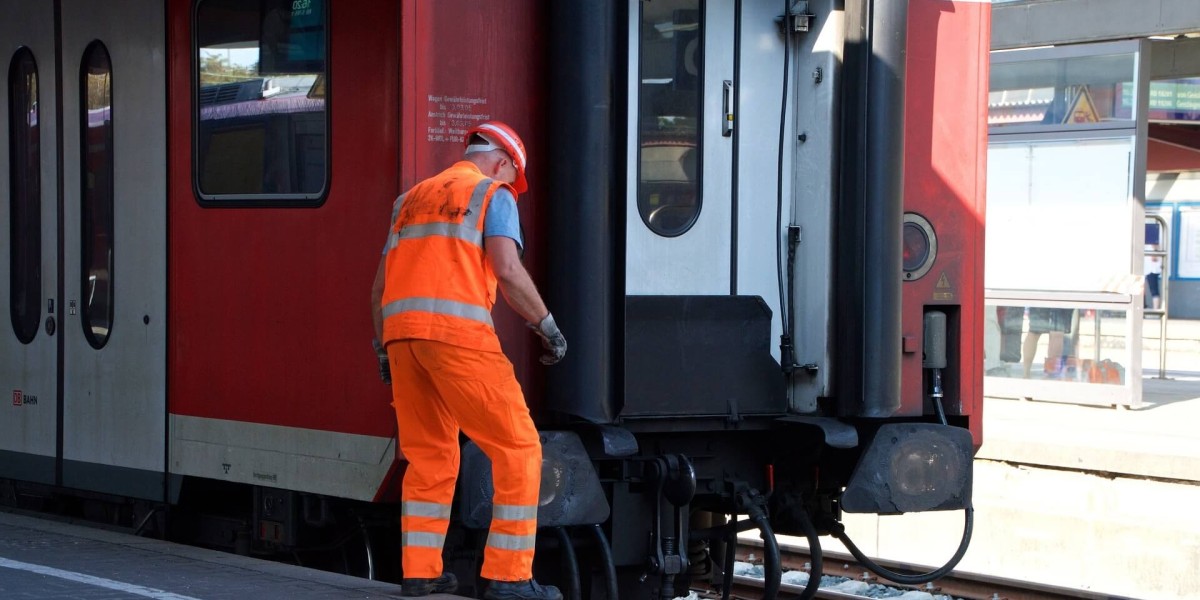
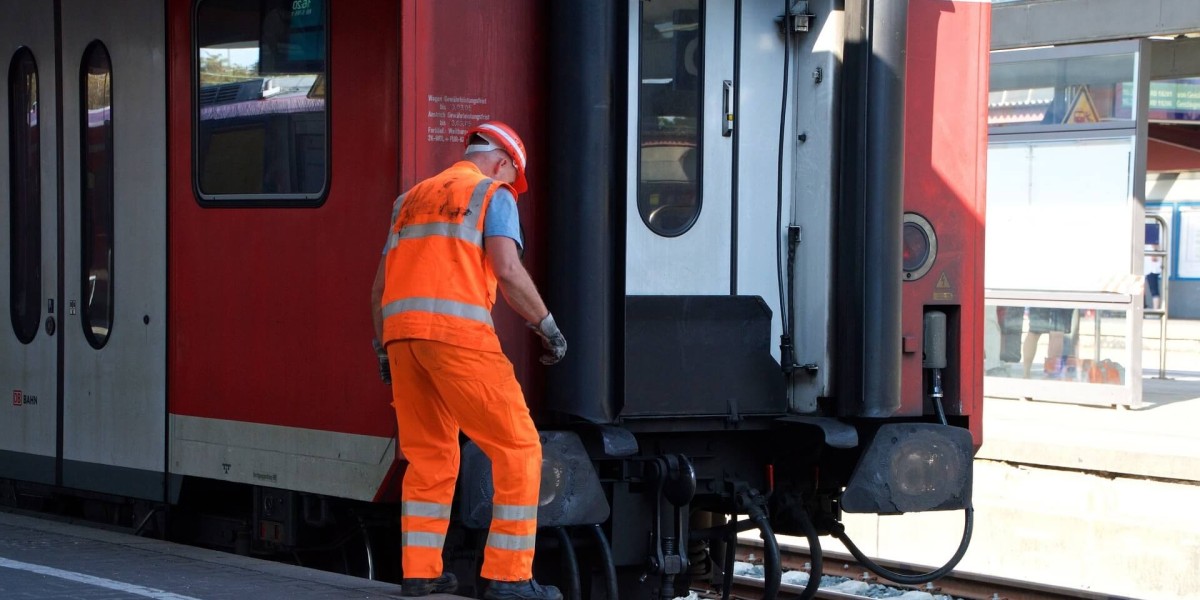
Chronic Obstructive Pulmonary Disease (COPD) is a devastating respiratory condition that impacts countless individuals all over the world. Railroad employees, in particular, have been noted as having a greater threat of developing COPD due to extended direct exposure to damaging ecological toxins and occupational risks. This short article intends to check out the relationship in between railroad work and COPD, the legal opportunities for getting settlements, and the process of looking for compensation for afflicted individuals.
Understanding COPD
Chronic Obstructive Pulmonary Disease is a group of lung diseases that obstruct airflow and make it challenging to breathe. The most common conditions categorized under COPD are chronic bronchitis and emphysema. The main reasons for COPD include:

- Cigarette Smoking: The leading cause, representing around 85% of COPD cases.
- Occupational Exposure: Workers in industries with high levels of dust, fumes, and chemicals are at increased danger.
- Air Pollution: Long-term direct exposure to ecological toxins can cause chronic lung conditions.
Signs of COPD
The symptoms of COPD may vary in severity however normally include:
- Shortness of breath, particularly throughout physical activities
- Chronic cough, often accompanied by mucous
- Wheezing or a whistling noise when breathing
- Fatigue and regular respiratory infections
- Cyanosis, or a bluish color of the lips or fingernails
The Impact of Railroad Work on COPD
Railroad employees are exposed to multiple possible hazards, including:
- Second-Hand Smoke: Exposure to colleagues who smoke can increase lung disease risks.
- Fumes from Diesel Locomotives: Prolonged direct exposure to diesel exhaust can cause respiratory issues.
- Chemicals: Use of solvents and lubricants that consist of hazardous chemicals can have long-lasting effects on lung health.
- Dust and Asbestos: Work environments might expose employees to dust particles and asbestos, increasing the danger of respiratory diseases.
Data on Railroad Workers and COPD
According to recent studies:
| Fact | Statistic |
|---|---|
| Proportion of Railroad Settlement Chronic Obstructive Pulmonary Disease employees with COPD | Roughly 10% |
| Increased threat of COPD compared to basic population | 1.5 times higher |
| Portion of COPD cases linked to workplace exposure | 15-20% |
Given these alarming stats, it is crucial for railroad staff members to stay alert about their health and look for medical attention if experiencing respiratory symptoms.
Legal Rights and Settlements
For railroad workers struggling with COPD due to occupational threats, pursuing a settlement might be possible under federal laws. The Federal Employers Liability Act (FELA) supplies railroad workers with the right to sue their companies for injuries sustained on the job, consisting of chronic illness like COPD.
Actions to Pursue a Settlement
- File Your Condition: Obtain a proper medical diagnosis and keep records of medical expenditures and treatment.
- Collect Evidence: Gather evidence linking your COPD to your workplace, such as:
- Medical records
- Job descriptions highlighting dangerous tasks
- Experience statements from associates
- Seek advice from a Legal Expert: Hiring a lawyer experienced in dealing with FELA claims can considerably improve your chances of an effective settlement.
- Sue: Your lawyer will help in submitting the necessary documents to pursue settlement for medical expenses, lost earnings, and discomfort and suffering.
Prospective Compensation
Settlement can vary commonly however may include:
- Medical costs associated to the treatment of COPD
- Lost wages due to time off work
- Loss of earning capability if the disease affects the capability to operate in the future
- Discomfort and suffering damages
Often Asked Questions (FAQs)
1. What is the distinction in between chronic bronchitis and emphysema?
Chronic bronchitis is defined by persistent swelling and narrowing of the airways, resulting in a cough and mucus production. Emphysema, on the other hand, involves the destruction of the air sacs in the lungs, causing breathing difficulties.
2. How do I know if I receive a railroad settlement due to COPD?
If you have actually been detected with COPD and think that your condition originates from your work as a railroad worker, you ought to seek advice from with a specialized attorney who can assess your case.
3. The length of time do I have to sue for a railroad settlement?
Claims under FELA normally have a three-year statute of constraints from the date you became mindful of your injury or health problem, however it is a good idea to act faster instead of later.
4. Can I still sue if I have smoked cigarettes?
Yes, you might still pursue a claim if you have a history of smoking cigarettes. Nevertheless, the existence of other threat aspects, such as occupational direct exposure to toxins, may reinforce your case.
5. What should I do if my claim is denied?
If your claim is rejected, you have the right to appeal the decision. Consulting with a legal specialist can help browse the appeals process and improve your chances of a beneficial outcome.
Chronic Obstructive Pulmonary Disease presents a major threat to the health and income of railroad employees. Provided the substantial exposure to numerous hazardous substances during their work, it is vital for afflicted workers to comprehend their legal rights under FELA. By recording their conditions, looking for the ideal legal help, and pursuing settlements, railroad workers with COPD can find some measure of relief in the face of their devastating health difficulties. The journey towards justice is complicated, yet with the right method, it is obtainable.