
The Timeless Appeal of Wooden Baby Cribs: A Comprehensive Guide
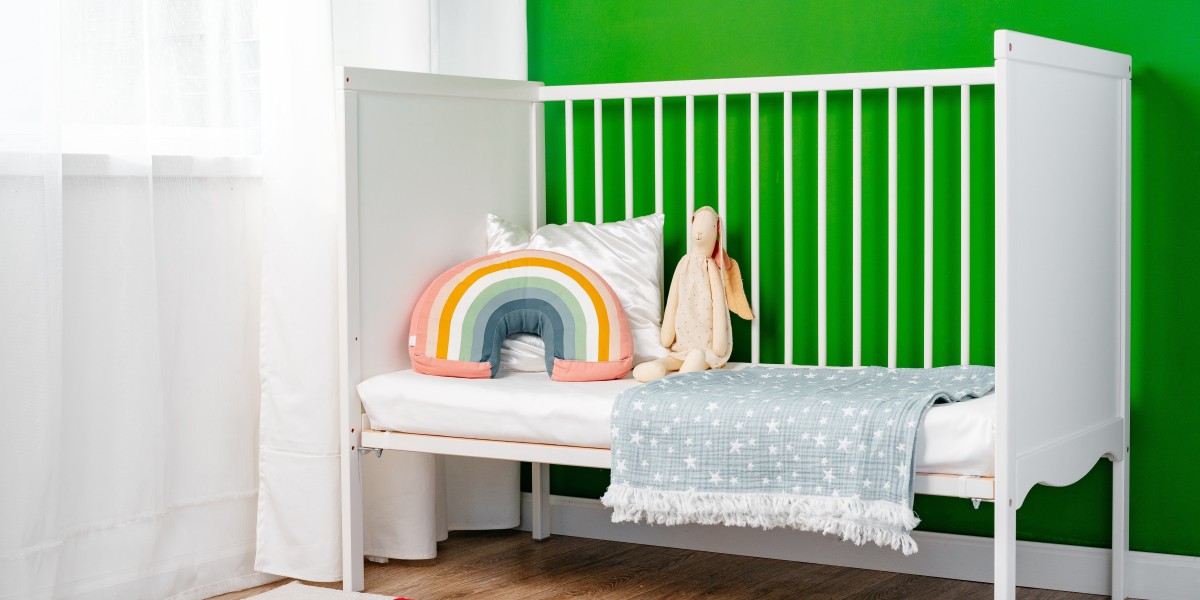
When it comes to producing a safe and nurturing environment for babies, few furniture pieces are as necessary as a baby crib. Amongst the numerous alternatives offered, wooden baby cribs have stood the test of time, embodying both design and performance. This article will explore the essential functions, advantages, and factors to consider that moms and dads must know when picking wooden cribs for their youngsters.
The Benefits of Wooden Baby Cribs
Wooden baby cribs are renowned for their long-lasting appeal and robust building and construction. Here are a few of the significant advantages of choosing a wooden crib:

1. Durability and Strength
Wood has been a favored material for cribs due to its strength and durability. Unlike metal cribs, which may wobble or establish rust with time, a sound wooden crib remains sturdy and stable, guaranteeing safety for your baby.
2. Visual Appeal
Available in different finishes and designs, wooden baby cribs can easily complement your nursery's decor. Their natural charm provides a timeless appeal to the room, making them a popular option among many moms and dads.
3. Environmental Consideration
Many wooden cribs are made from sustainably sourced products, making them an environmentally friendly option. Moms and dads concerned about their carbon footprint can choose brand Wooden Baby Cot names that utilize reclaimed wood or comply with responsible forestry practices.
4. Durability
Quality wooden cribs can last for generations. Numerous cribs are created with convertible functions that permit them to shift from a crib to a toddler Cot Bed For Sale, and some can even transform into full-size beds, making them a rewarding investment.
5. Safety Regulations
Many wooden cribs fulfill stringent safety standards, making sure that they are complimentary from sharp edges and hazardous substances. Additionally, they typically have slats that are spaced properly to prevent little ones from getting stuck.
Picking the Right Wooden Crib
Choosing the perfect wooden crib needs mindful factor to consider of numerous aspects. Below is a list of necessary aspects to bear in mind:
1. Type of Wood
The kind of wood can considerably affect the crib's resilience and look. Here are common woods utilized in crib building and construction:
| Wood Type | Description | Pros | Cons |
|---|---|---|---|
| Pine | Softwood, lightweight, often stained or painted | Inexpensive, light-weight | Less long lasting than wood |
| Oak | Tough and thick, uses a classic appearance | Very long lasting, sustainable | Heavier, more pricey |
| Maple | Strong and resistant to scratches | Long-lasting, stable | Can be pricier |
| Birch | Lightweight with a fine grain | Budget-friendly, durable | May damage more quickly |
2. Design and Design
Wooden cribs come in different styles, including traditional, modern, and vintage. Consider your nursery's theme and your individual choices when picking a style.
3. Safety Features
Ensure that the crib fulfills security guidelines set by organizations like the Consumer Product Safety Commission (CPSC). Try to find functions such as:
- Fixed sides
- Adjustable mattress height
- Non-toxic surfaces
- No cutouts in the crib rail
4. Alleviate of Assembly and Portability
Some cribs need extensive assembly, while others might be simple to create. Furthermore, consider whether you desire a portable crib, as some designs are designed to be lightweight and easily moved.
5. Budget plan
Wooden cribs can range from economical alternatives to high-end models. Identify a rate range that matches your budget, Oak Cots but keep in mind, investing a little bit more now can conserve money in the long run if the crib is convertible.
Frequently Asked Questions About Wooden Baby Cribs
Q1: Are wooden cribs safe for babies?
A: Yes, wooden cribs are generally extremely safe for babies, as long as they meet present security standards. Look for certifications from reputable organizations.
Q2: How do I clean a wooden crib?
A: To clean up a wooden crib, utilize a moist cloth with mild soap and water. Avoid extreme chemicals that can harm the Dark Wood Cot Bed finish. Constantly ensure the crib dries totally after cleaning.
Q3: How long can my baby use a crib?
A: Most cribs accommodate babies till they reach around 35 inches tall or can climb up out. After that, think about transitioning them to a toddler bed.
Q4: Is it necessary to pick a convertible crib?
A: While it's not needed, a convertible crib can be a great investment, as it grows with your child, conserving you the expense of future beds.
Q5: How should I select the mattress for a wooden crib?
A: Ensure the mattress fits comfortably within the crib with no spaces. Look for a company, breathable bed mattress that satisfies security requirements to avoid suffocation threats.
Selecting a wooden baby crib represents one of the most important decisions new parents will make as they get ready for their arrival. With their combination of toughness, visual appeal, and security, wooden cribs stay a precious option for families worldwide. By thoroughly considering the kind of wood, style, safety features, and spending plan, parents can find the perfect crib that not only fulfills their needs however also improves their nursery's appeal. With regular upkeep and love, a quality wooden crib can cradle generations of dreams, symbolizing a timeless journey from infancy to childhood.