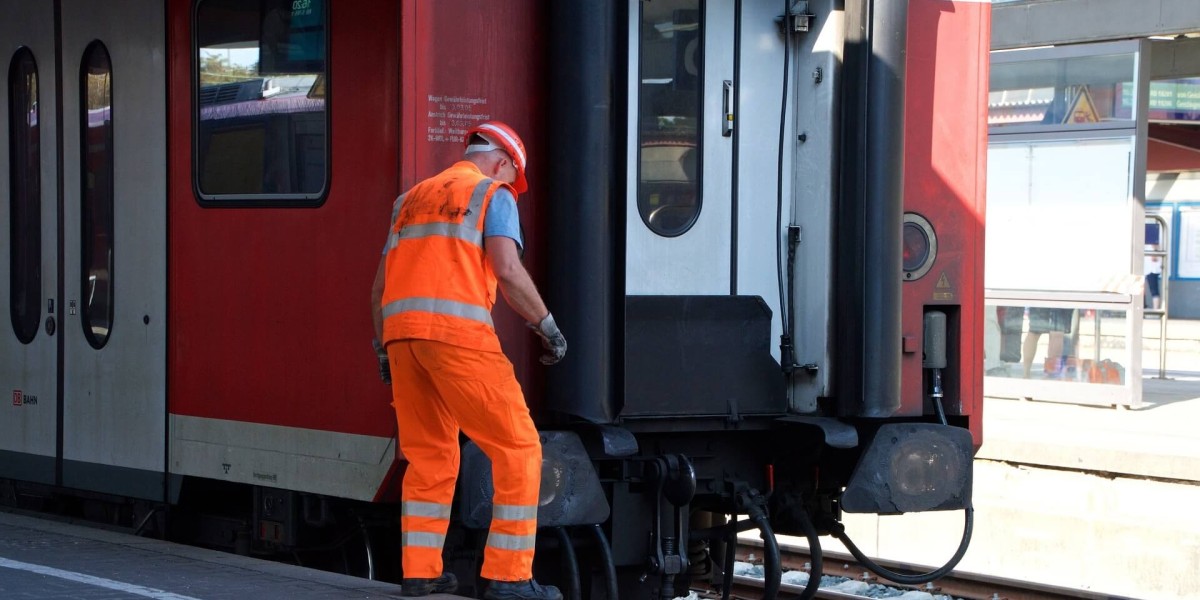


Railroad Settlement: Chronic Obstructive Pulmonary Disease
Chronic Obstructive Pulmonary Disease (COPD) is a debilitating respiratory condition that affects millions of people all over the world. Railroad workers, in particular, have actually been kept in mind as having a greater danger of establishing COPD due to prolonged exposure to harmful toxic wastes and occupational threats. This post aims to explore the relationship between railroad work and COPD, the legal opportunities for getting settlements, and the procedure of looking for settlement for afflicted people.
Comprehending COPD
Chronic Obstructive Pulmonary Disease is a group of lung illness that obstruct air flow and make it difficult to breathe. The most common conditions classified under COPD are chronic bronchitis and emphysema. The main reasons for COPD consist of:
- Cigarette Smoking: The leading cause, accounting for around 85% of COPD cases.
- Occupational Exposure: Workers in markets with high levels of dust, fumes, and chemicals are at increased risk.
- Air Pollution: Long-term direct exposure to toxic wastes can result in chronic lung conditions.
Signs of COPD
The signs of COPD may vary in seriousness however generally include:
- Shortness of breath, particularly during physical activities
- Chronic cough, frequently accompanied by mucus
- Wheezing or a whistling sound when breathing
- Fatigue and frequent respiratory infections
- Cyanosis, or a bluish color of the lips or fingernails
The Impact of Railroad Work on COPD
Railroad workers are exposed to multiple prospective dangers, including:
- Second-Hand Smoke: Exposure to coworkers who smoke can increase lung disease risks.
- Fumes from Diesel Locomotives: Prolonged direct exposure to diesel exhaust can cause breathing problems.
- Chemicals: Use of solvents and lubes that include harmful chemicals can have long-lasting effects on lung health.
- Dust and Asbestos: Work environments might expose workers to dust particles and asbestos, increasing the risk of breathing illness.
Statistics on Railroad Workers and COPD
According to recent research studies:
| Fact | Fact |
|---|---|
| Proportion of railroad settlement Chronic Obstructive pulmonary disease workers with COPD | Around 10% |
| Increased risk of COPD compared to general population | 1.5 times higher |
| Portion of COPD cases connected to workplace exposure | 15-20% |
Given these disconcerting data, it is crucial for railroad workers to stay watchful about their health and look for medical attention if experiencing breathing signs.
Legal Rights and Settlements
For railroad workers struggling with COPD due to occupational hazards, pursuing a settlement might be possible under federal laws. The Federal Employers Liability Act (FELA) provides railroad employees with the right to sue their employers for injuries sustained on the task, consisting of chronic diseases like COPD.
Steps to Pursue a Settlement
- Document Your Condition: Obtain a proper diagnosis and keep records of medical expenditures and treatment.
- Collect Evidence: Gather proof linking your COPD to your workplace, such as:
- Medical records
- Job descriptions highlighting harmful jobs
- Witness declarations from coworkers
- Consult with a Legal Expert: Hiring an attorney experienced in managing FELA claims can significantly improve your chances of a successful settlement.
- Sue: Your attorney will assist in submitting the needed documentation to pursue settlement for medical costs, lost earnings, and pain and suffering.
Potential Compensation
Payment can vary commonly but might include:
- Medical expenses associated to the treatment of COPD
- Lost incomes due to time off work
- Loss of making capacity if the disease affects the capability to operate in the future
- Discomfort and suffering damages
Frequently Asked Questions (FAQs)
1. What is the difference between chronic bronchitis and emphysema?
Chronic bronchitis is defined by relentless swelling and constricting of the air passages, resulting in a cough and mucous production. Emphysema, on the other hand, involves the damage of the air sacs in the lungs, causing breathing troubles.
2. How do I understand if I receive a railroad settlement due to COPD?
If you have actually been diagnosed with COPD and believe that your condition originates from your work as a railroad employee, you should seek advice from a specialized attorney who can evaluate your case.
3. The length of time do I need to sue for a railroad settlement?
Claims under FELA typically have a three-year statute of constraints from the date you became aware of your injury or health problem, but it is suggested to act faster instead of later.
4. Can I still sue if I have smoked cigarettes?
Yes, you may still pursue a claim if you have a history of cigarette smoking. Nevertheless, the presence of other risk elements, such as occupational exposure to toxic substances, may reinforce your case.
5. What should I do if my claim is rejected?
If your claim is denied, you can appeal the choice. Consulting with a legal professional can help navigate the appeals procedure and improve your opportunities of a beneficial result.
Chronic Obstructive Pulmonary Disease postures a severe risk to the health and income of railroad workers. Provided the considerable exposure to different harmful compounds throughout their employment, it is essential for affected workers to comprehend their legal rights under FELA. By documenting their conditions, seeking the right legal support, and pursuing settlements, railroad workers with COPD can discover some procedure of relief in the face of their devastating health challenges. The journey towards justice is complex, yet with the ideal method, it is achievable.