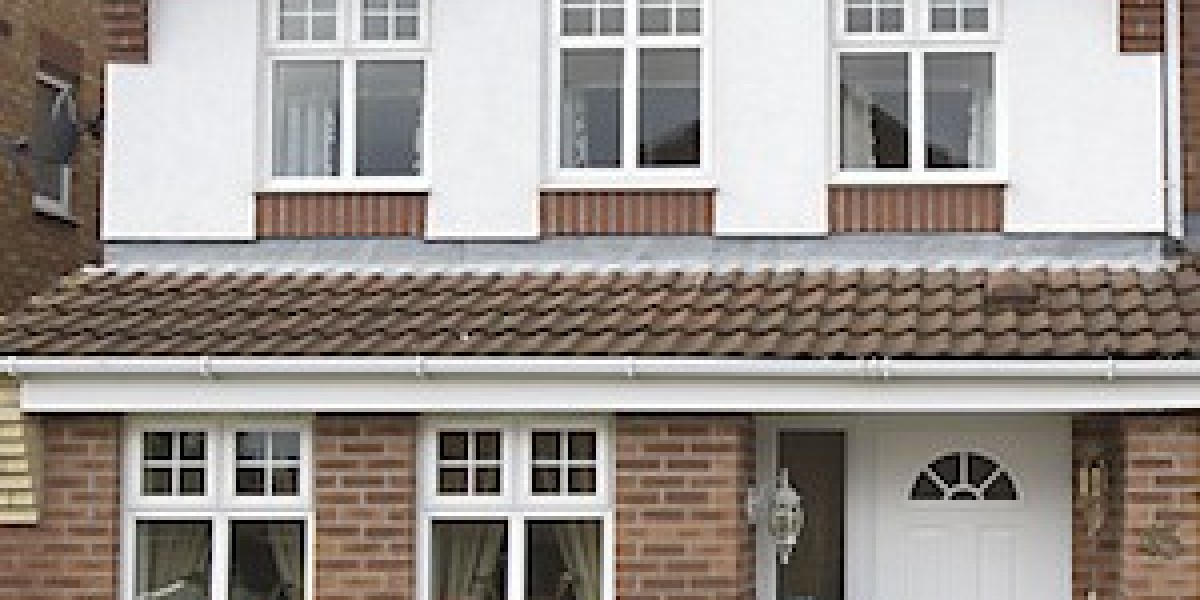

Understanding Secondary Glazing for Effective Noise Reduction
In today's progressively urbanized world, sound pollution has actually become a prevalent issue. Whether it be street traffic, building and construction sites, or the hustle and bustle of every day life, excessive noise can significantly impact the comfort and well-being of individuals in their homes. For those seeking effective solutions, Secondary Glazing Noise Reduction (pad.hacknang.de) glazing uses a promising method to decrease undesirable noise. This post explores the intricacies of secondary glazing, its benefits, and useful considerations for its implementation, together with FAQs to address common concerns.
What is Secondary Glazing?
Secondary glazing describes the addition of a second layer of glazing-- normally a transparent sheet of glass or plastic-- put inside or beyond an existing window. This extra layer functions as a barrier to sound while also improving thermal insulation. Secondary glazing is particularly popular in older residential or commercial properties where replacing initial single-glazed windows might not be feasible or desirable for visual factors.
How Secondary Glazing Reduces Noise
Secondary glazing decreases noise through 2 main mechanisms:
Increased Air Gap: By creating an air space between the 2 layers of glazing, secondary glazing improves sound insulation. The air space functions as a buffer, absorbing acoustic waves before they can pass through to the interior area.
Damping Effect: Secondary glazing includes mass to the window system. The combination of mass and the air space helps to dampen sound vibrations, resulting in more noise attenuation.
Key Benefits of Secondary Glazing
| Advantage | Description |
|---|---|
| Noise Reduction | Provides a substantial decline in external noise, depending on the type of glazing utilized. |
| Thermal Insulation | Enhances energy efficiency by supplying extra insulation, keeping homes warmer in winter season. |
| Cost-Effectiveness | More affordable than entirely replacing windows; typically qualified for grants or aids. |
| Conservation of Character | Keeps the visual of initial windows, specifically in heritage residential or commercial properties. |
| Ease of Installation | Can frequently be installed without major restorations, making it a less invasive choice. |
Efficiency of Different Glazing Materials
The effectiveness of Secondary Glazing Bespoke Solutions glazing in reducing noise mainly depends on the materials and density of the glazing used. Below is a table summing up the noise reduction abilities of various glazing types:
| Glazing Type | Normal Thickness | STC Rating * | Noise Reduction Capability |
|---|---|---|---|
| Single Glass | 4-6 mm | 28-32 dB | Low |
| Laminated Glass | 6-12 mm | 32-38 dB | Moderate |
| Double Glazing | 12-24 mm | 34-42 dB | Great |
| Triple Glazing | 24-30 mm | 38-45 dB | Excellent |
| Acrylic/Perspex | 3-5 mm | 25-30 dB | Low to Moderate |
* STC = Sound Transmission Class: A higher STC score suggests higher noise insulation capabilities.
Installation Considerations
Effectively implementing secondary glazing involves a couple of crucial factors to consider:

Choosing the Right Materials: Opt for high-quality materials that meet your noise reduction requirements. Laminated and double-glazed options are frequently the very best for sound insulation.
Professional Installation: While secondary glazing can often be a DIY job, getting professional assistance guarantees proper installation and maximizes noise reduction efforts.
Frame Type: Consider the type of frame utilized for secondary glazing. Options like uPVC, wood, or aluminum effect not just aesthetic appeals however likewise overall noise insulation.
Air Gap Size: The efficiency of secondary glazing increases with the width of the air space. A space of 100mm or more is perfect for attaining ideal noise reduction.
Sealing: Ensure all edges and joints are well-sealed to avoid sound seepage. Top quality seals can substantially enhance the total efficiency.
Often Asked Questions (FAQs)
Q1: How much noise can secondary glazing reduce?A1: Secondary glazing can minimize external noise by 30 to 50 percent, depending on aspects such as the design, materials utilized, and the preliminary noise level. Q2: Will Secondary Glazing Benefits glazing affect my windows 'appearance?A2: Secondary glazing can be designed to match the visual appeals of your In conclusion, Secondary Glazing Maintenance glazing is an effective solution for those aiming to fight sound pollution while maintaining the aesthetic and structural stability of their windows. Whether you live in a dynamic city or near a loud area, purchasing secondary glazing can offer considerable soundproofing benefits, enhance energy efficiency, and protect the character of your home. By comprehending the various types of glazing offered, their benefits, and how to effectively execute secondary glazing, homeowners can take a proactive action in producing a quieter and more comfortable living environment.
existing windows, making it a reliable option without compromising the look of your residential or commercial property. Q3: Is secondary glazing ideal for all kinds of windows?A3: While secondary glazing can be adaptively usedto many window types, it is especially advantageous for older residential or commercial properties with single glazing. Q4: Can Secondary Glazing Cost glazing improve energy efficiency?A4: Yes, secondary glazing enhances thermal insulation, lowering heating expenses and enhancing general energy efficiency in your house. Q5: How long does secondary glazing last?A5: With correct maintenance and care, secondary glazing can last well over 20 years, making it a rewarding investment.