

Built-In Ovens in the UK: A Comprehensive Guide
Built-in ovens have become a necessary function in modern cooking areas across the UK, supplying both performance and style. They are designed to fit flawlessly into kitchen cabinetry, offering a sleek and integrated cooker and hob look that matches contemporary kitchen styles. This post explores the benefits of built-in ovens, the various types readily available, crucial functions to think about, and often asked questions that will assist consumers make notified decisions.
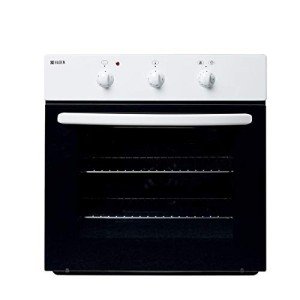
Benefits of Built-In Ovens
Picking a Built In Ovens-in oven includes various advantages, which include:
Space-Saving Design: Built-in ovens are designed to fit within kitchen cabinetry, making them ideal for smaller sized areas where free-standing systems may use up too much space.
Visual Appeal: These ovens offer a tidy, modern-day appearance that enhances the general appearance of the kitchen. They can be placed at eye level, making them accessible while lowering bending or bending.
electric integrated oven Technology: Many built-in ovens come equipped with sophisticated cooking technologies, consisting of convection cooking and self-cleaning features, making cooking more efficient and hassle-free.
Increased Resale Value: A modern, trendy kitchen with built in electric cooker-in appliances can substantially increase a home's resale value, making it more attractive to possible purchasers.
Range of Options: Built-in ovens come in different sizes and styles, permitting property owners to choose one that fits their particular kitchen layout and cooking requirements.
Kinds Of Built-In Ovens
Built-in ovens are available in different configurations, each accommodating various cooking styles and preferences. Here are the main types:
| Type of Built-In Oven | Description |
|---|---|
| Single Ovens | These ovens include one compartment, normally ideal for general baking and roasting needs. |
| Double Ovens | Including 2 compartments, double ovens enable synchronised cooking at different temperatures, making them best for large households or those who frequently captivate guests. |
| Mix Ovens | Combining a traditional oven with a microwave, these flexible systems save space and time, enabling fast heating and cooking. |
| Steam Ovens | Using steam cooking technology, steam ovens are ideal for healthy cooking, retaining moisture and nutrients in food while supplying an unique cooking method. |
| Wall Ovens | Installed higher up in the kitchen, wall ovens integrated can be single or double. They enable simple gain access to while releasing up area on the counter. |
Secret Features to Consider
When choosing a built-in oven, it's important to examine particular functions. Customers ought to think about:
Size and Capacity: Determine the area available in your kitchen and choose an oven that fits easily without frustrating the style.
Energy Efficiency: Look for ovens with greater energy scores, as they can save money over time and are more environmentally friendly.
Cooking Functions: Different ovens come with numerous cooking modes-- such as baking, barbecuing, and rotisserie. Examine which functions deal with your cooking design.
Control Options: Newer designs typically feature touch controls, digital user interfaces, and smart innovation that enables remote operation by means of smart device apps.
Self-Cleaning Features: Many built-in ovens come with self-cleaning options, significantly streamlining inbuilt oven upkeep.
End up and Design: Choose finishes-- like stainless steel, black, or white-- that complement the overall kitchen visual.
Popular Brands in the UK
Numerous brand names dominate the built-in oven market, each offering various functions and cost points. Some of the most popular alternatives consist of:
- Bosch
- Siemens
- Neff
- Samsung
- Hotpoint
- AEG
- Miele
These brands are known for their reliability, development, and customer support, making them a relied on choice for customers.
Often Asked Questions (FAQs)
1. Are built-in ovens more pricey than freestanding models?
Built-in ovens tend to be more pricey than freestanding designs due to their customized sizing, styling, and advanced features. However, they provide greater value in regards to looks and functionality.
2. Can I install a built-in oven myself?
While some handy house owners might try a DIY installation, it is frequently suggested to employ a professional to ensure proper installation, especially concerning electrical and plumbing connections.
3. How do I clean my built-in oven?
Many built-in ovens come with self-cleaning options, which substantially decrease the effort required. For models without this feature, regular cleaning with non-abrasive cleaners and a soft fabric is important for upkeep.
4. What is the typical life-span of a built-in oven?
Generally, built-in ovens can last between 10 to 15 years, depending on usage and maintenance. Regular maintenance can help extend the device's lifespan.
5. Can I replace a built-in oven with a various brand?
Yes, built-in ovens can typically be replaced with any suitable model, however it is vital to guarantee that the new oven matches the existing cut-out space in the kitchen cabinetry.
Built-in ovens use an advanced blend of utility and style, making them an integral part of modern cooking areas in the UK. With different types, distinct features, and a range of options available from popular brands, house owners have sufficient choices to select an oven that meets their cooking requirements and kitchen visual appeals. By comprehending the benefits, types, and important features, consumers can make educated decisions that enhance their culinary experiences. Whether for day-to-day meals or unique occasions, a built-in oven is an investment that guarantees benefit and quality for years to come.