
Understanding Railroad Settlement for Chronic Obstructive Pulmonary Disease
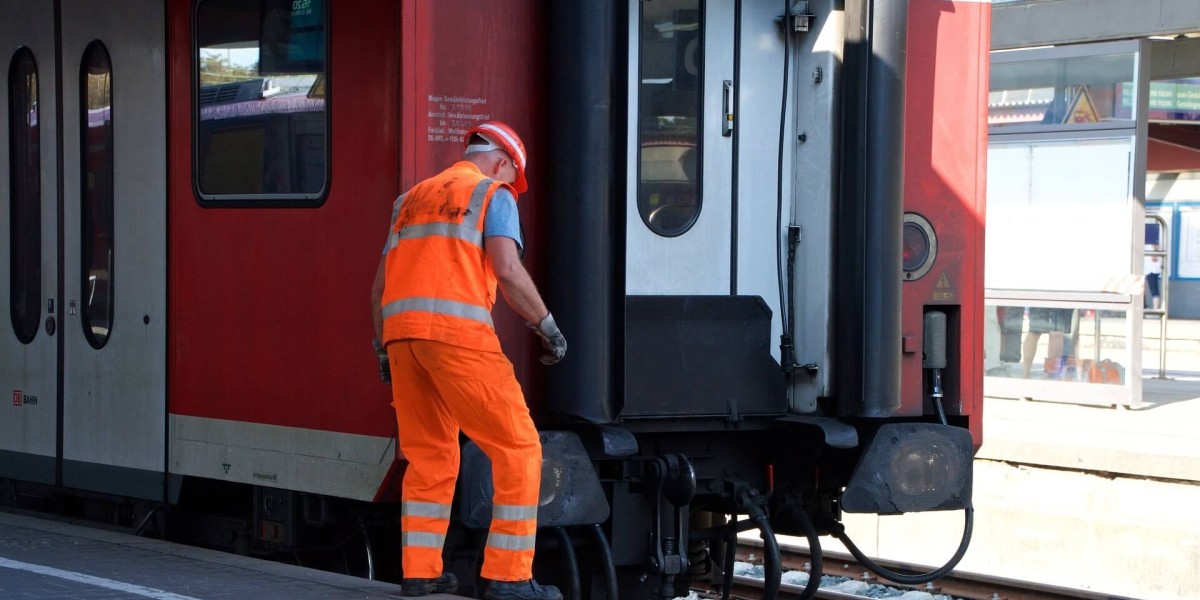
Chronic Obstructive Pulmonary Disease (COPD) is a progressive lung disease characterized by breathing problems and decreased airflow. It can significantly hinder an individual's quality of life and is often associated with different occupational exposures, particularly among railroad employees. This short article looks into the relationship in between railroad work and COPD, the potential for legal settlements, and assistance for afflicted people.

The Connection Between Railroad Work and COPD
Railroad workers deal with several occupational dangers that might contribute to the advancement of COPD. These include:
- Exposure to diesel exhaust: Diesel fumes include contaminants that can aggravate the lungs and cause breathing illness.
- Dust and particulates: Workers are typically exposed to coal dust, asbestos, and other particulates which can damage lung function.
- Chemical direct exposure: Chemicals used in maintenance, cleansing, and repair work jobs can likewise adversely impact breathing health.
Dangers Associated with Railroad Work
The following elements highlight the potential risks railroad employees have concerning COPD:
| Risk Factor | Description |
|---|---|
| Diesel Exhaust | Contains nitrogen oxides and particle matter that can damage lungs. |
| Asbestos | Formerly utilized in insulation, direct exposure can lead to lung scarring. |
| Dust | Coal dust and other particles can embed in lung tissue. |
| Chemical Exposure | Solvents and other chemicals can irritate or damage the respiratory system. |
Comprehending COPD: Symptoms and Diagnosis
Before exploring the ramifications of railroad settlements, it's vital to understand what COPD requires. Signs consist of:
- Chronic cough
- Shortness of breath, particularly throughout exercise
- Wheezing
- Regular breathing infections
- Fatigue
- Swelling in the ankles, feet, or legs
Diagnostic Procedures
Diagnosing COPD usually includes:
- Medical History Review: Evaluating occupational history and prospective direct exposures.
- Physical Examination: Assessment of breathing noises and general health.
- Pulmonary Function Tests: Measuring lung function and air flow.
- Imaging Tests: Chest X-rays or CT scans to see lung health.
Railroad Settlements for COPD
Railroad Settlement Chronic Obstructive Pulmonary Disease employees identified with COPD may be eligible for settlements due to exposure to hazardous substances in the workplace. This compensation can cover medical costs, lost earnings, and discomfort and suffering.
Secret Settlement Options
FELA Claims (Federal Employers Liability Act): This federal law enables railroad employees to sue their companies for on-the-job injuries, consisting of those arising from exposure to hazardous products.
Workers' Compensation: Many states have actually embraced workers' payment laws providing advantages to employees injured due to work-related conditions.
Class Action Lawsuits: In some cases, groups of railroad employees might join together to submit a cumulative claim versus the employer for carelessness.
Elements Affecting Settlement Amounts
The amount of settlements can vary based on:
- Severity of Illness: More severe cases may cause greater settlements.
- Period of Employment: Longer exposure times might enhance claims.
- Evidence of Negligence: Demonstrating that the employer failed to supply a safe working environment substantially impacts compensation.
Filing a Claim: A Step-by-Step Guide
Submitting a claim for COPD related to railroad work includes numerous essential steps:
- Medical Diagnosis: Obtain an official medical diagnosis of COPD from a certified healthcare service provider.
- Documentation: Gather employment records, medical records, exposure history, and witness declarations.
- Consultation with Legal Professionals: Seek guidance from attorneys specializing in FELA or workers' compensation claims.
- Submitting the Claim: Submit the claim to the appropriate parties, guaranteeing all essential documents is consisted of.
- Settlement and Settlement: Work with legal counsel to work out the settlement and deal with any counter-offers from the company.
FAQs about Railroad Settlement for COPD
1. What is Chronic Obstructive Pulmonary Disease (COPD)?
- COPD is a group of lung diseases that obstruct airflow and make it tough to breathe. It includes chronic bronchitis and emphysema.
2. How can railroad work contribute to COPD?
- Railroad workers might be exposed to harmful compounds such as diesel exhaust, dust, and chemicals, which can result in breathing problems like COPD.
3. What legal option do railroad employees have for COPD claims?
- They can submit claims under FELA, employees' payment, or might participate in class-action claims if applicable.
4. How do I know if I have a legitimate claim for COPD?
- If you have been identified with COPD and have a history of exposure to dangerous compounds while dealing with the railroad, you should speak with a specialized attorney.
5. What kind of evidence do I require for my claim?
- Proof required normally includes medical records, employment history, exposure records, and any other documents supporting your claim's validity.
Railroad employees facing the devastating results of Chronic Obstructive Pulmonary Disease need to understand their rights and potential legal alternatives for settlement. Understanding the connection in between their workplace and health problems is essential. Seeking prompt medical recommendations and legal assessment can substantially enhance the chances of a successful claim, providing necessary financial support while navigating the intricacies of this serious condition.